Art Cologne
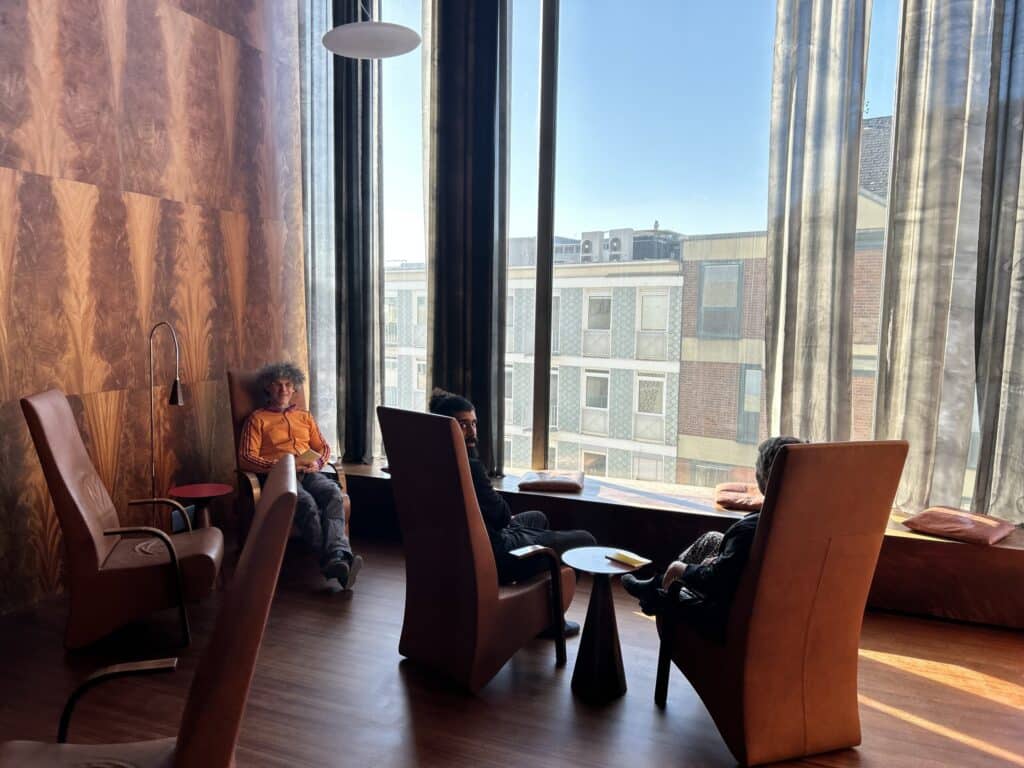
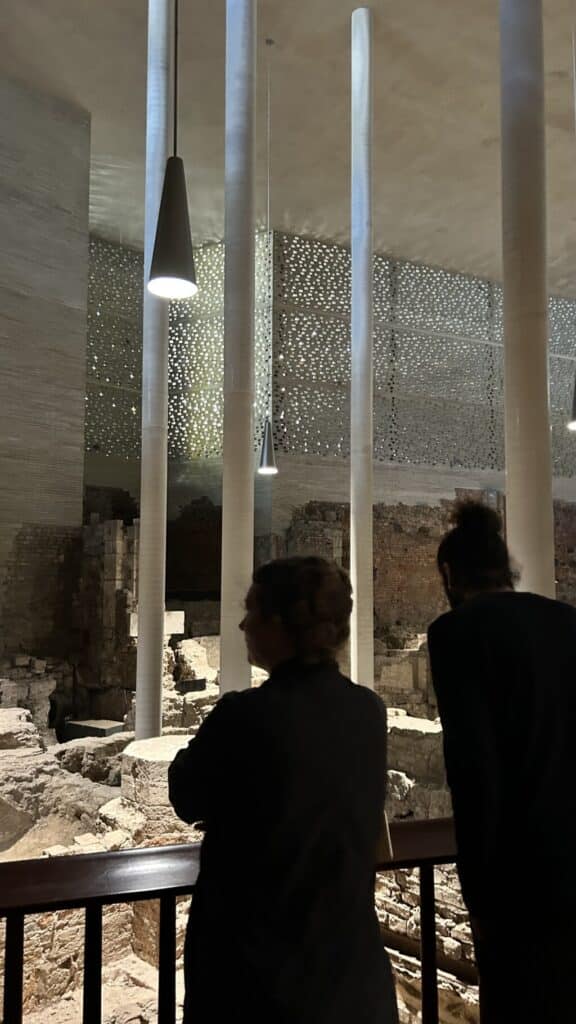
NOVEMBER 7TH. Kolumba Museum and ART COLOGNE. Fotos: Jan Lemitz
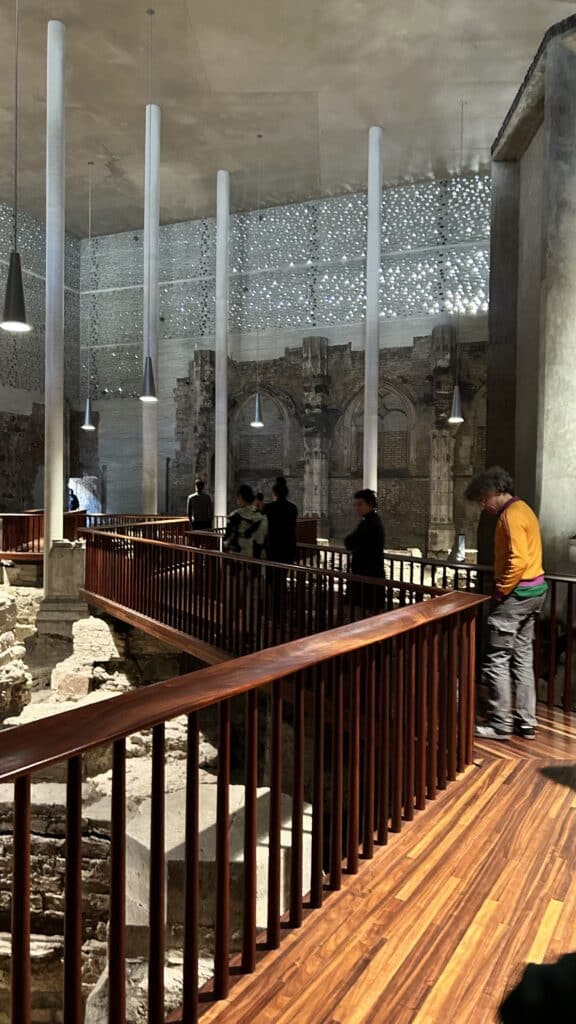
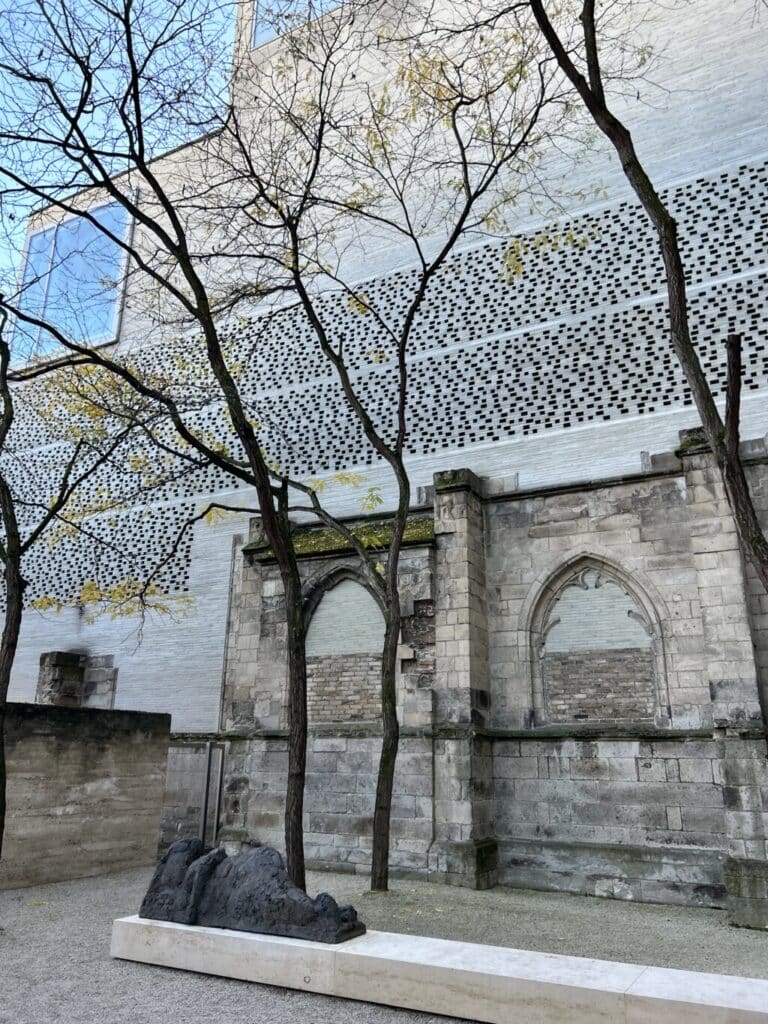
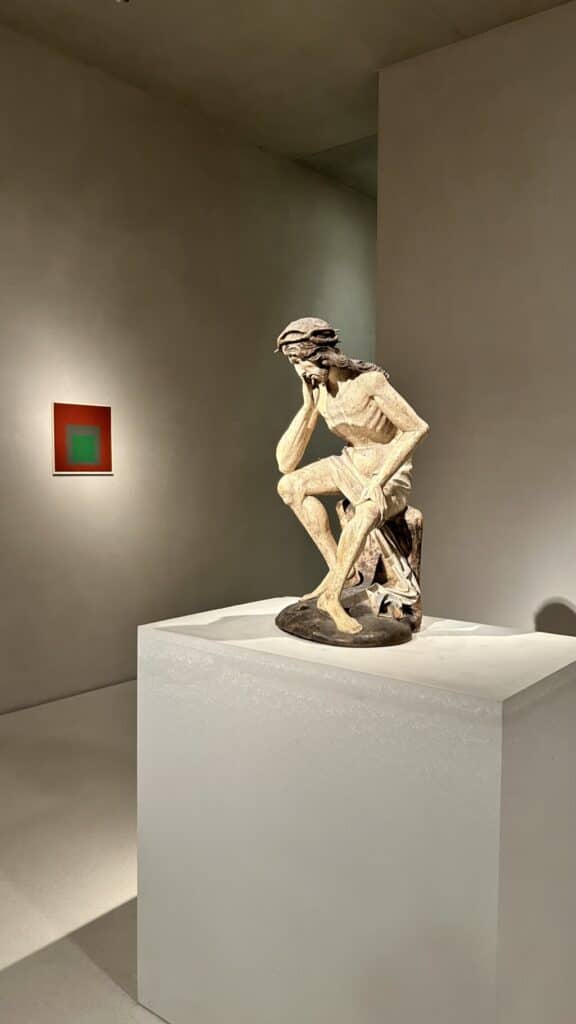
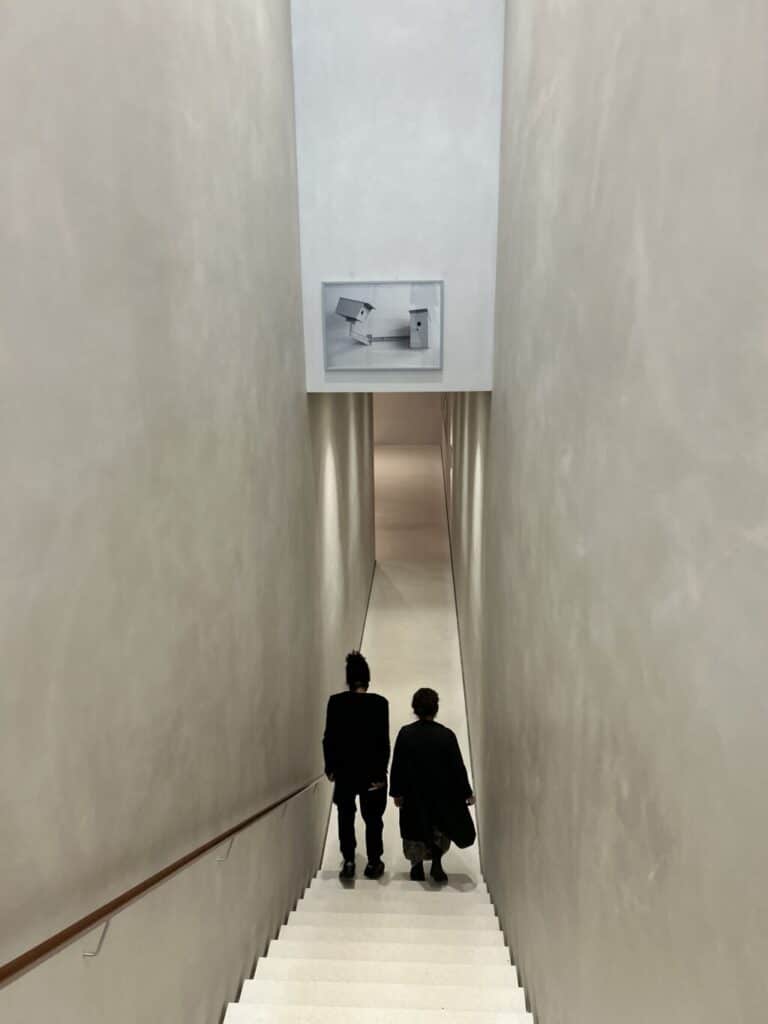
Founded in 1853 by the Christian Art Association, the Kolumba Museum in Cologne is one of the city’s oldest museums. Its name refers to the Late Gothic Church of St. Kolumba, the remains of which were incorporated into the new building after it was destroyed in World War II. Designed by Peter Zumthor, the current building opened in 2007 after the museum had been located at various sites in downtown Cologne. Since 1989, the museum has been under the auspices of the Archdiocese of Cologne, combining works of art from different centuries in its exhibitions. After a brief introduction to the history of the building, we visited the current exhibition “make the secrets productive!” (September 15, 2025–August 14, 2026). It focuses on art in times of crisis as a source of meaning and stability in democracy, emphasizing the importance of culture despite budget cuts. The premise of the exhibition is that both religion and art offer spiritual experiences in their own ways, which can be experienced as pastoral care and provide support.
The exhibition brings together works from nine centuries by artists such as Beuys, Judd, Macke, Terajima, and others, emphasizing Beuys‘ motto “Every human being is an artist – make the secrets productive.”
Afterwards, the group set off on foot for the ART COLOGNE, the world’s oldest and most important fair for modern and contemporary art. The motto 2025 was ‚Hands up for Art‘, emphasising the lively energy, intense discussions and stability of the art market, thereby confirming Cologne’s status as an important art location. The fair provided a space for exchange and presented a broad spectrum of modern and contemporary art, showcasing both established and emerging artists through the NEW POSITIONS support programme. Together, we attended the book launch of BR artist Anne Schülke at the fair: „Do we want to get on board? Self-questioning and discussions about art, its mediation and teaching“. Published by Kettler, this is the second volume in the LaB K/Kunsthaus NRW series. In it, Anne Schülke examines the text ‚TEACHING AND LEARNING AS PERFORMING ARTS‘ by Fluxus artist Robert Filliou in terms of its current socio-political potential.
These two destinations gave the artists a glimpse into the diverse art world of the Rhineland, which has much to offer, from innovative exhibition venues to renowned art fairs.