Field Trip: Art and Spirit
NOVEMBER 12-13. EPEN and KLOOSTERDORP STEYL. Fotos: Jan Lemitz, Nathalie Schulz
The last Field Trip was a joint exploration of landscape, monastic life, and artistic perspectives. The journey took us from the hilly Epen to the historic monastery village of Steyl – a place that has been an important center for various missionary orders since the 19th century and is still home to active monastic communities today.
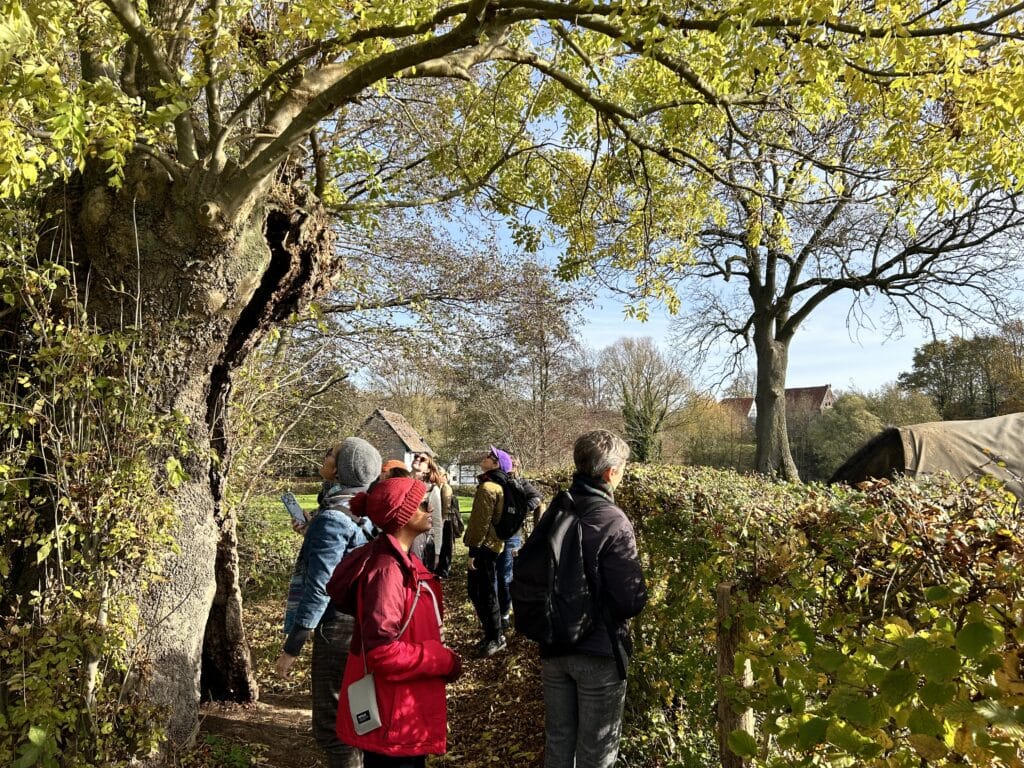
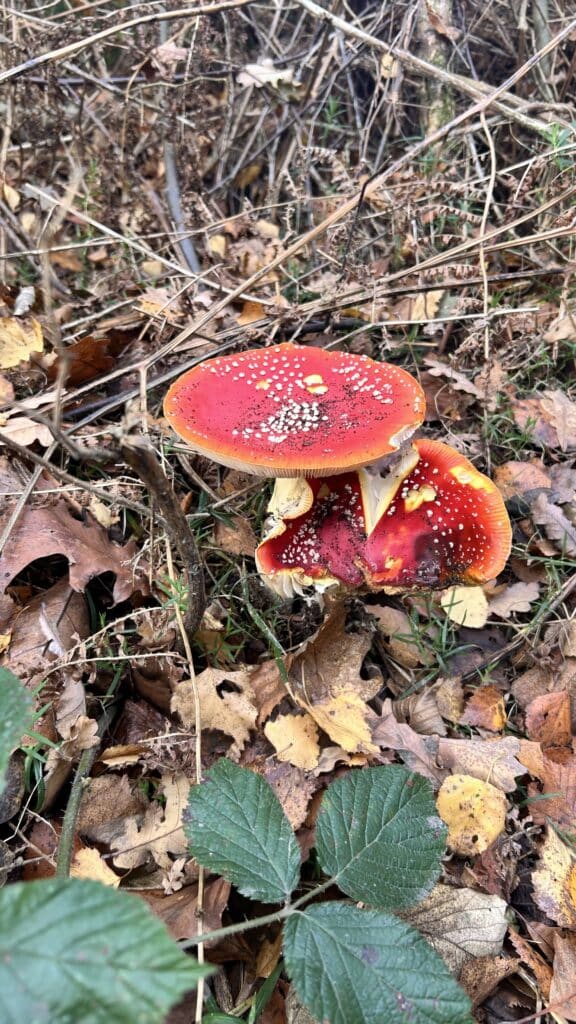
We started in Epen (NL) with an 8-km “Spirit Hike” led by Agata Siwek, Alumni of Borderland 2024, and Toon Hezemans, artist and Director of the Dutch Mountain Film Festival. The route led through forest-lined hills, while Agata and Toon shared different stories and perspectives on “spirit and spirits” – from tales of nature spirits to personal experiences from the worlds of art and mountain film.
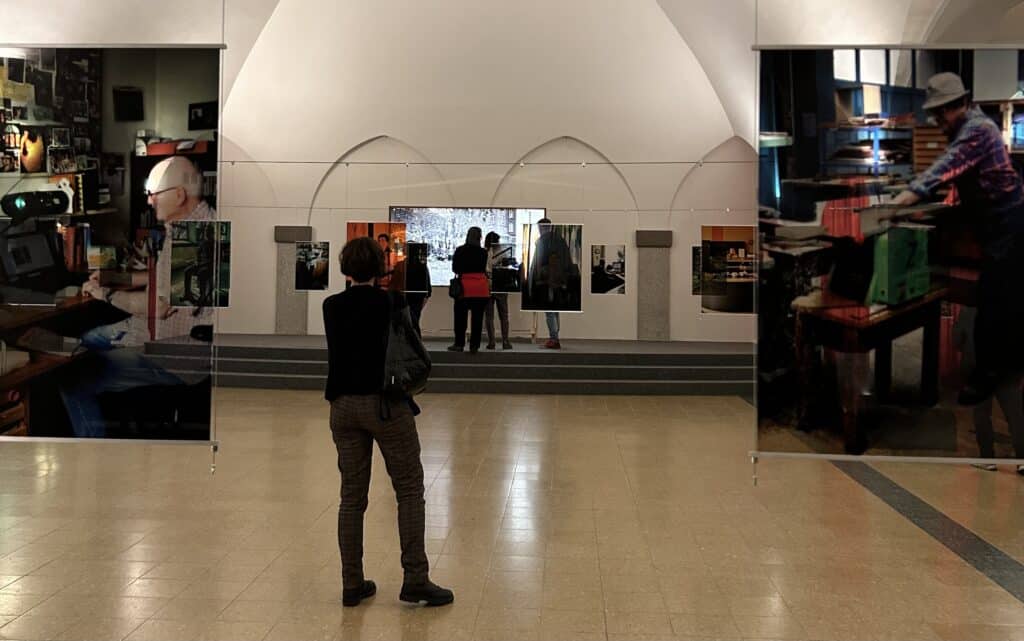
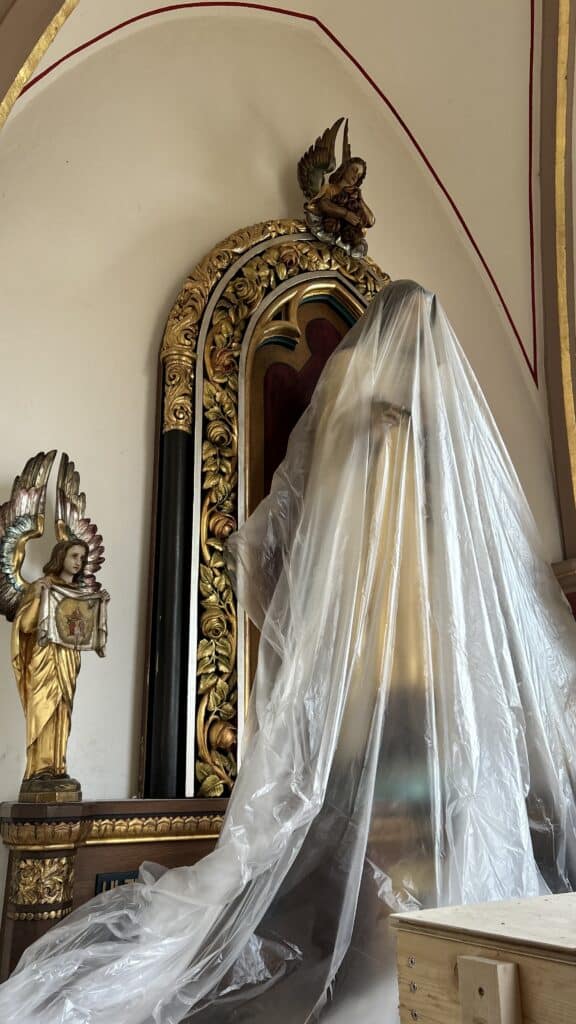
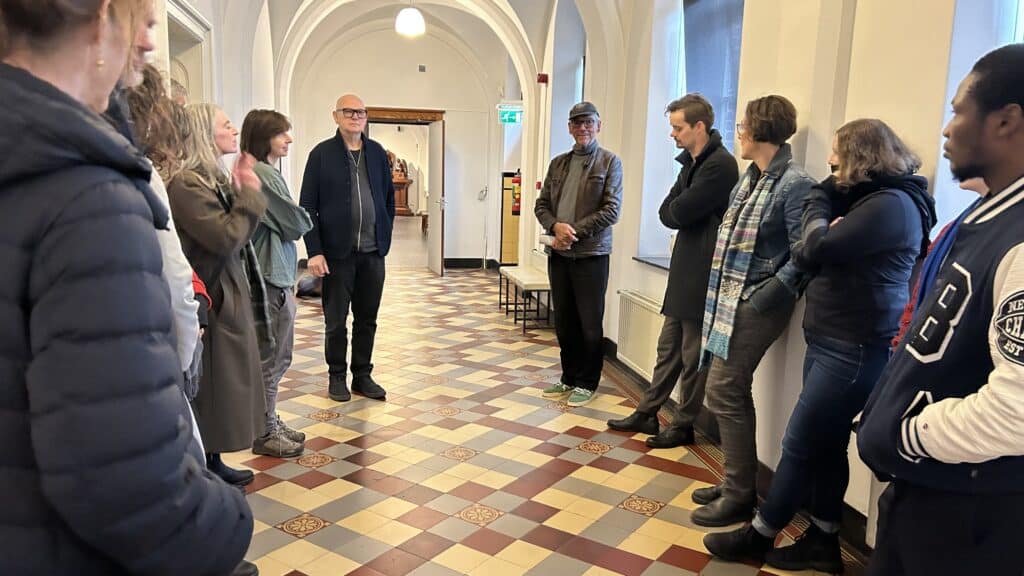
After a short break with a traditional Polish mountain meal, we reached our next destination in the afternoon: Kloosterdorp Steyl near Venlo. There we met with artist Krien Clevis, who had already led an artists‘ project in Steyl in the 1990s and returned this year with an exhibition about the monasteries and their inhabitants. Afterwards, Brother Heinz and Agata gave us a tour of the monastery and provided insights into rooms and stories that are otherwise rarely accessible.
Day 2 began with a quiet morning walk through the monastery gardens, accompanied by artist Ingeborg Meulendijks. Brother Roland guided us through the monastery grounds and told us about Steyl’s special historical role in the context of the Steyler Missionaries and the perspective of the monastic community on current church policy.
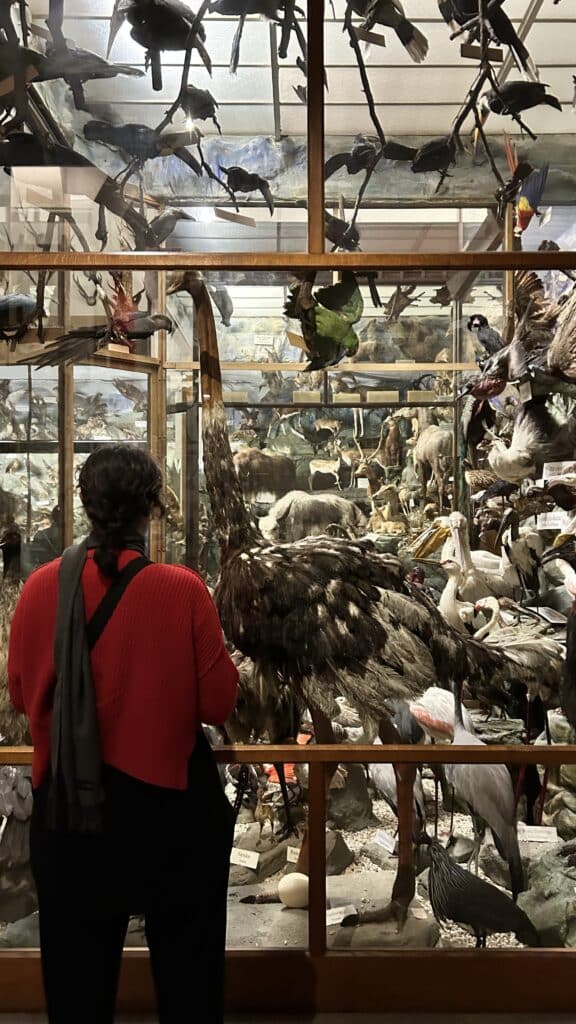
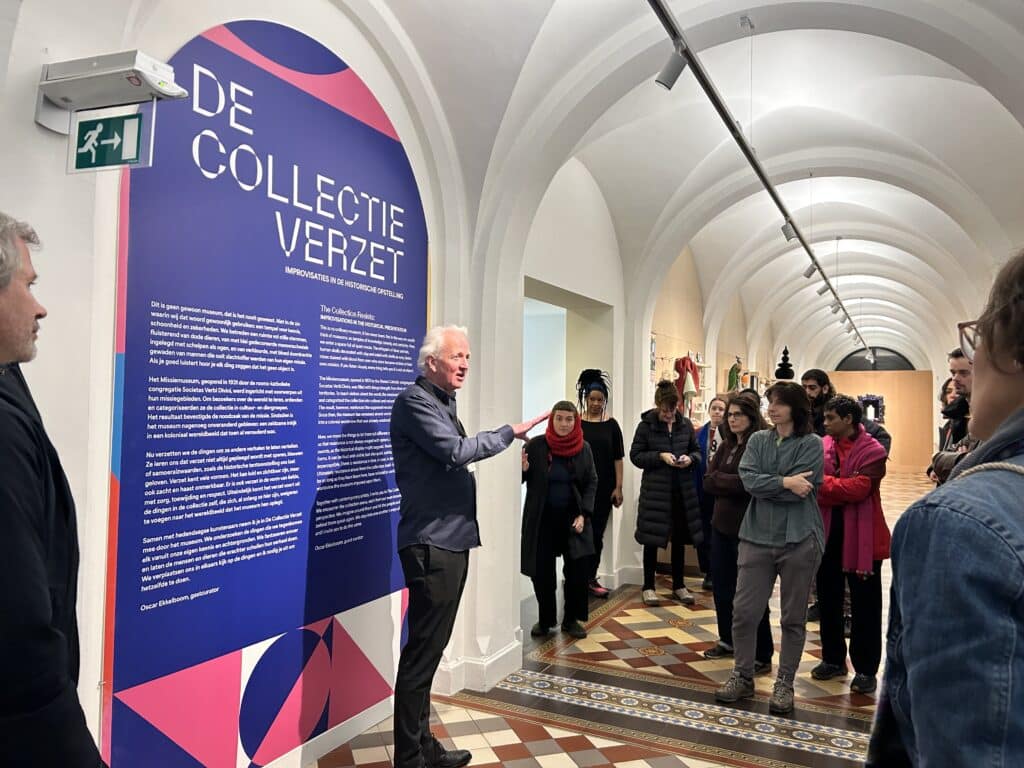
The field trip ended with a visit to the Steyl Missie Museum, a place with an ethnographic collection and natural history objects that has been built up by missionaries over more than 140 years. It was created to capture the supposedly ‚foreign world‘ that missionaries encountered on their travels, and to present various objects for viewing. It remains largely unchanged from when it opened in the 1930s, strongly reflecting the colonial perspective of that time. For this reason, it is sometimes difficult to bear and is often referred to as a ‚museum within a museum‘. As well as numerous animal specimens, the museum exhibits art, everyday objects and even human remains. It is only in recent years that the collection has been subject to critical examination and comment. The director gave us an introduction and discussed certain exhibits and attempts at restitution. We agreed: This is an essential step, but it can only be the beginning.
The visit to this place resonated deeply with the group and raised questions about the responsibility we bear as artists and curators.